
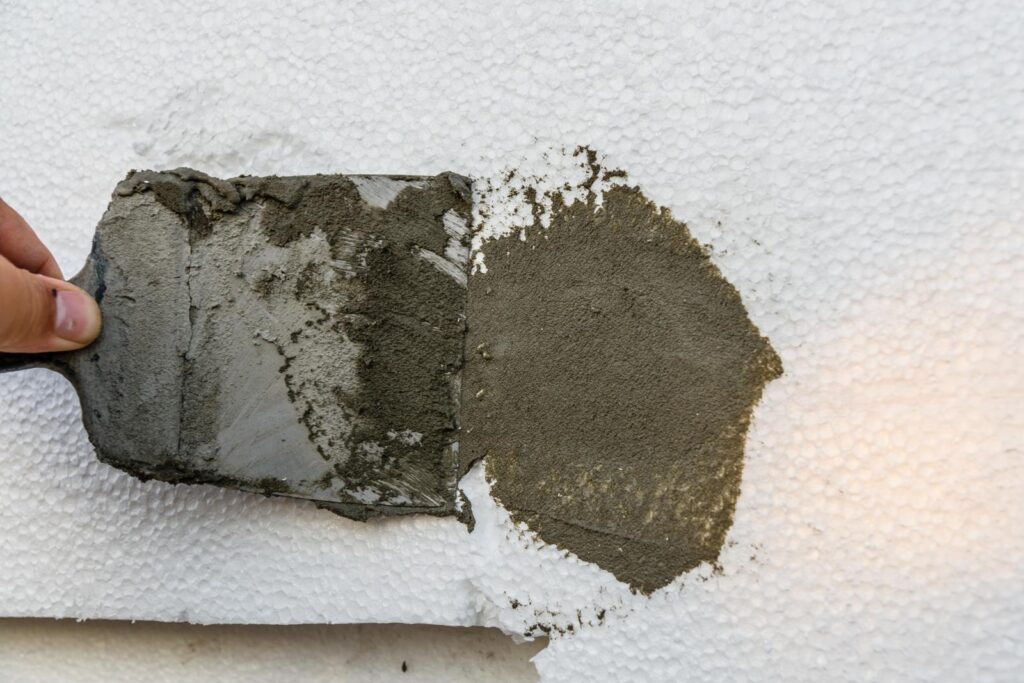
Stucco is a tough, good looking finish, and it has been protecting Colorado homes and commercial buildings for generations. But even tough finishes have limits. Sooner or later, most stucco walls develop a crack, a stain, or a patch that just does not look right, and that is when the questions start. Is this serious? Can it wait? Do I need to patch it, or is the whole wall in trouble?
This guide answers those questions in plain English. Whether you own a home in Colorado Springs or manage a commercial property, we will walk through what causes stucco damage around here, how to tell a cosmetic crack from a real problem, what repair really involves, and how to keep small issues from turning into expensive ones.
Why Stucco Cracks in Colorado Springs
Stucco is a cement based material, and cement based materials crack. That is not a flaw in your wall, it is just how the material behaves. What matters is the cause, because the cause tells you how serious the problem is.
Colorado Springs is hard on exterior walls. We get strong sun at elevation, big temperature swings between day and night, dry air, wind, and the occasional hailstorm. Water that gets into a tiny crack in the fall can freeze and expand in the winter, which opens the crack a little wider. Then it thaws, more water gets in, and the cycle repeats. Over several seasons, a hairline crack can turn into something much bigger.
Here are the most common causes we see:
- Normal settling. Buildings shift a little over time, especially in the first few years, and that movement shows up as cracks, often near corners and above windows and doors.
- Freeze and thaw cycles. Moisture in the wall expands when it freezes and stresses the stucco.
- Poor original installation. Stucco applied too thin, mixed or cured badly, or put on without proper control joints is more likely to crack.
- Hail and impact. A hard hit can chip, crack, or crush the surface.
- Water intrusion. Leaky gutters, bad flashing, and sprinklers that spray the wall can soak stucco and the structure behind it.
- Aging. Stucco lasts a long time, but the finish does wear out, and older walls simply have more cracks.
Cosmetic Cracks vs. Cracks That Need Attention
Not every crack means trouble, and we do not want you to panic over a tiny line in the surface. Here is a simple way to think about it.
Hairline Cracks
Very thin cracks, about the width of a hair or a thin pencil line, are common and are usually cosmetic. They often come from the stucco drying and shrinking over time. They are still worth sealing, since small openings let moisture in, but they are rarely an emergency.
Wider or Growing Cracks
Cracks wider than about an eighth of an inch deserve a closer look. So do cracks that keep getting longer, cracks that form a stair step pattern, and cracks that run diagonally from the corner of a window or door. These can point to movement, moisture, or a structural issue, and a professional should check them.
Cracks With Other Warning Signs
A crack is more concerning when it shows up with other symptoms. Look out for dark staining or streaks beneath the crack, a musty smell, soft or spongy spots in the wall, or bubbling and bulging in the surface. Those clues suggest water may be getting behind the stucco, and that kind of damage grows quietly.
Other Stucco Problems to Watch For
Cracks get the most attention, but they are not the only signs that your stucco needs help.
- White, chalky residue, called efflorescence. This is mineral salt left behind when water moves through the stucco and evaporates. It tells you moisture is present.
- Stains and discoloration. Dark patches, green or black growth, and rust colored streaks often point to moisture problems or failing flashing.
- Bulging or hollow sounding areas. If you tap the wall and it sounds hollow, the stucco may have separated from the surface behind it.
- Chips, holes, and crumbling edges. These happen from impact, aging, or water damage and leave the wall open to moisture.
- Peeling or flaking paint. Paint failing in patches can mean water is pushing outward from the wall.
- Damage around windows, doors, and rooflines. These are the spots where water most often sneaks in.
Why You Should Not Wait
It is tempting to let a small crack slide, especially when the weather is bad or money is tight. But stucco damage tends to follow the same pattern: it starts small, it gets worse quietly, and it costs more to fix the longer it is ignored.
Once water gets behind stucco, it can soak the building materials underneath. That can lead to rot, mold, damaged insulation, and in worse cases, structural problems. A repair that might have taken an afternoon can turn into a major project involving removing and replacing sections of the wall.
For homeowners, that is a real hit to your wallet and your home’s value. For commercial property owners, it can also mean tenant complaints, safety concerns, and a building that looks neglected to customers walking in the door.
How Stucco Repair Actually Works
The process depends on the damage, but a thorough repair usually follows a few key steps.
Step One: Inspect and Find the Cause
A good repair starts with figuring out why the damage happened. A crack caused by settling is handled differently than a crack caused by a leaking gutter. If water is involved, the source has to be fixed too, or the damage will come right back. This often means checking flashing, caulking, gutters, and drainage along with the wall itself.
Step Two: Prepare the Area
Loose, cracked, or crumbling material is removed back to solid stucco. Edges are cleaned up, and the area is prepared so the new material will bond well. If moisture has gotten behind the wall, damaged material underneath may need to be dried out, repaired, or replaced first.
Step Three: Repair the Damage
Small cracks are filled with a flexible, high quality patching product that can move a little with the wall. Larger areas are rebuilt in layers, with each layer given time to cure. This is not a rush job, and cutting corners here is how patches fail early.
Step Four: Match the Texture
This is where experience really shows. Stucco comes in many textures, from smooth to heavy sand finishes to swirled and dashed patterns. A repair that does not match the texture around it stands out like a sore thumb, even if it is structurally perfect. A skilled crew will recreate the pattern so the repair blends in.
Step Five: Finish and Protect
Once the repair has cured, it is painted or coated to match. That final layer does double duty, hiding the repair and adding another layer of protection against moisture and sun. Often, painting the whole wall section gives the cleanest result. If you are thinking about a fresh look, our exterior painting services pair naturally with stucco work.
Patch, Recoat, or Replace?
How much work your stucco needs depends on how much damage there is and how deep it goes. Here is a general guide.
Patching
Best for isolated cracks, chips, holes, and small damaged areas where the rest of the wall is in good shape. It is the most affordable route and works well when problems are caught early.
Recoating or Resurfacing
If the stucco is sound but looks tired, with lots of small cracks, fading, or uneven patches, a new finish coat can bring it back to life. This can also be a good option when you want to change the color or texture.
Partial or Full Replacement
Needed when the damage runs deep. If moisture has soaked the structure behind the wall, if large areas are loose or hollow, or if the original installation was poorly done, replacing sections or even the entire wall may be the right call. It is the biggest job, but it also gives you a fresh start with proper materials and detailing.
A reputable contractor should explain why they recommend one option over another, and should not push replacement when a repair will do. If you want to see how we approach this kind of work, take a look at our stucco repair services in Colorado Springs.
Homeowners and Commercial Properties: What Is Different?
The basics of stucco repair are the same whether you own a house or a shopping center, but the situation can look quite different.
For Homeowners
Your priorities are usually protecting the home, keeping the curb appeal strong, and avoiding surprise repair bills. Many homeowners notice a crack after a hard winter or a hailstorm, or while getting ready to sell. Catching problems early can protect your resale value and avoid trouble during a home inspection, since buyers and inspectors often look closely at stucco.
For Commercial Properties
Commercial buildings tend to have larger wall areas, more complex layouts, and tighter schedules. Damage around loading areas, entrances, and rooflines is common. Property managers also have to think about tenants, customers, and safety, plus keeping the building looking professional. Scheduling matters too, since work needs to happen with as little disruption to business as possible. Many commercial owners pair stucco repair with fresh paint to refresh the whole building, and our commercial painting team can coordinate that work.
Can You Fix Stucco Yourself?
Sometimes. If you have a few hairline cracks and you are handy, a flexible exterior patching product can seal them for a while. But there are a few big reasons to be careful with DIY stucco repair.
First, you need to know why the crack formed. Filling a crack that is caused by water or movement without fixing the cause is like putting a bandage on a leak. Second, matching texture and color is harder than it looks, and a visible patch can look worse than the crack. Third, if there is moisture behind the wall, covering it up can trap the problem and make it worse.
If you are not sure, a quick inspection is cheap insurance. A pro can tell you whether a simple fix will hold or whether something bigger is going on.
What Affects the Cost of Stucco Repair?
Every job is different, so we cannot give a single number that fits everyone. But a few things drive the price up or down:
- How big the damaged area is.
- How deep the damage goes, and whether the wall underneath needs repair.
- Whether moisture is involved and what it takes to fix the source.
- The texture and finish, since some are harder to match than others.
- Height and access, such as second stories or hard to reach areas.
- Whether you want the wall repainted or recoated afterward.
The best way to get a real number is to have someone look at the wall. Our free estimates are a simple way to find out what you are dealing with.
How to Protect Your Stucco and Prevent Future Damage
The good news is that stucco, when it is cared for, can last for decades. A few habits go a long way:
- Walk around your building once or twice a year and look for new cracks, stains, and chips.
- Keep gutters and downspouts clean and pointed away from the walls.
- Adjust sprinklers so they do not spray directly onto stucco.
- Keep plants and soil from touching the wall, since they hold moisture against it.
- Check caulking and flashing around windows, doors, and rooflines, and fix any gaps.
- Seal small cracks early, before water has a chance to get in.
- Repaint on schedule. Good paint adds a protective layer.
- After a hailstorm or heavy winter, take a second look at your walls.
Frequently Asked Questions About Stucco Repair
Are small cracks in stucco a big deal?
Hairline cracks are common and are often cosmetic, especially on older stucco. They still deserve attention, because even a thin crack can let moisture in over time. Cracks wider than about an eighth of an inch, cracks that keep growing, or cracks with staining nearby should be looked at sooner.
Can stucco be repaired, or does the whole wall need to be replaced?
In most cases it can be repaired. Cracks, small holes, and damaged patches can be fixed and blended in. Full replacement is usually only needed when moisture has damaged the wall underneath or large areas have failed.
Will a stucco patch show?
A good repair should blend in. The key is matching the texture and color, which takes skill. Many repairs are finished with a fresh coat of paint or color coat across the whole wall section so the patch does not stand out.
How long does a stucco repair take?
Small repairs can often be done in a day or two, though stucco needs curing time between layers. Larger jobs, and commercial buildings with big wall areas, take longer. Weather also plays a role.
Can I repair stucco myself?
Tiny cosmetic cracks can sometimes be filled with a flexible patching product. But if you are not sure why the crack formed, or if water may be getting in, a DIY patch can hide a problem without fixing it. A professional can find the cause first.
What is the best time of year to repair stucco in Colorado Springs?
Mild, dry weather is best. Stucco needs time to cure properly, and very cold or very hot conditions can cause problems. Spring and fall are popular windows, but a good contractor can often work around the weather in other seasons.
Should I paint after a stucco repair?
Often, yes. Paint or a new color coat helps the repair blend in and adds a layer of protection. A repaired area that is left bare can look patchy and may absorb water differently than the stucco around it.
Ready to Get Your Stucco Looked At?
If you have noticed a crack, a stain, or a spot that just seems off, it is worth finding out what is going on before winter or the next big storm makes it worse. At Greg Unseth Painting and Exteriors, we work with homeowners and commercial property owners across Colorado Springs, and we will tell you straight whether you need a simple patch or something bigger.
Reach out for an estimate, and let us take a look. A small repair now is almost always easier, and cheaper, than a big one later.